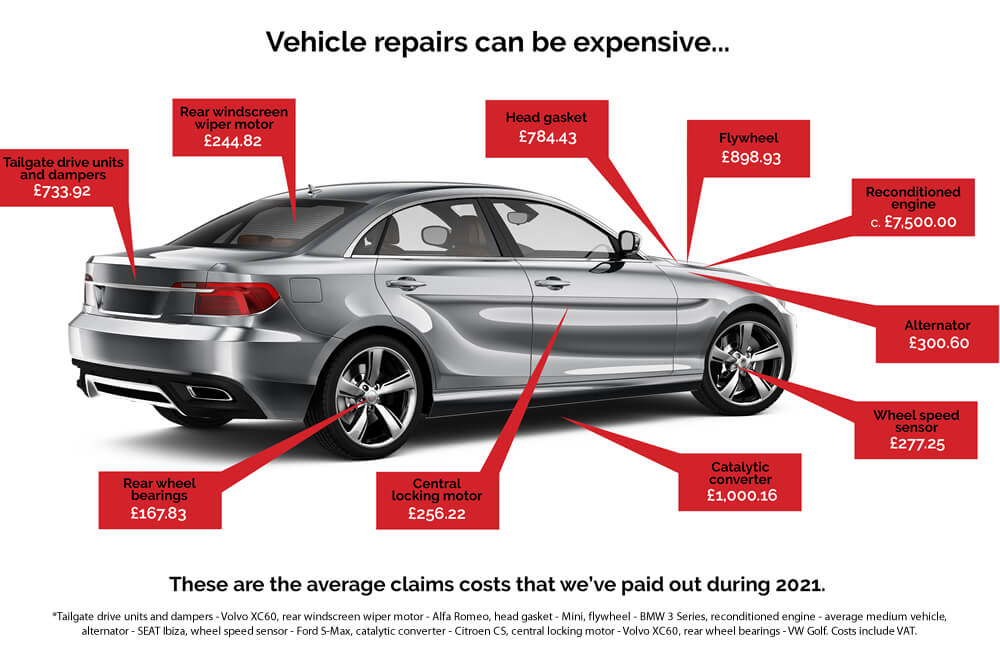
When it comes to buying a used car, one of the primary concerns for customers is peace of mind. A significant factor contributing to this peace of mind is the warranty provided with the vehicle. Car dealers often have two distinct options when it comes to warranties: offering a third-party warranty or providing their own dealer warranty. But what’s the difference, which one is better, and can you realistically provide your own warranty when trading cars from home?
Understanding the Basics of Car Warranties
Third-Party Warranty Providers
Third-party warranties, also known as aftermarket warranties, are essentially service contracts sold by external companies. These companies agree to cover the cost of repairs and maintenance for an agreed-upon period after the sale. Popular third-party warranty providers in the UK include Warrantywise, RAC Warranty, AA Warranty, WMS Group, and AutoGuard Warranties.
Benefits of Third-Party Warranties
- Reduced Risk: The warranty provider shoulders the financial responsibility, reducing the risk for the dealer.
- Increased Credibility: Recognised warranty providers can boost customer confidence, as they typically offer nationwide coverage, extensive repair networks, and trusted brands.
- Comprehensive Coverage Options: They often provide varying levels of coverage, ranging from basic mechanical breakdown cover to extensive plans covering wear and tear and electrical components.
Drawbacks of Third-Party Warranties
- Limited Control: Dealers have minimal control over the claims process, which could lead to delays or dissatisfaction if the warranty provider disputes a claim.
- Cost Considerations: Dealers must pay a premium to warranty companies, which can reduce profit margins unless carefully managed.
Dealer’s Own Warranty
A dealer warranty, also called an in-house warranty, means the dealer personally guarantees to cover specific repair costs during a set period post-sale. This arrangement is directly between the dealer and the buyer without involving external parties.
Benefits of Offering Your Own Warranty
- Complete Control: The dealer has full autonomy over decisions about repairs and customer service, enabling quicker resolutions and improved customer satisfaction.
- Cost Efficiency: Dealers can potentially reduce overhead costs by managing the warranty internally, provided they correctly estimate and manage potential claims.
- Flexibility: Dealers can customise warranty terms to precisely fit their business model and customer expectations.
Drawbacks of Offering Your Own Warranty
- Financial Risk: Dealers bear full financial responsibility, which can be significant, especially if unexpected repair costs arise.
- Customer Confidence Issues: Without a recognised brand backing the warranty, customers might doubt the credibility or financial capacity of the dealer to honour claims.
Comparing Third-Party vs Dealer Warranties
Financial Risks and Rewards
When choosing between third-party and dealer warranties, dealers must weigh the potential financial risk against the possible profit margins. Third-party warranties minimise risk but reduce control and potential profitability. Dealer warranties can maximise profit and control but come with higher risks.
Customer Trust and Reputation
A third-party warranty provider typically boosts customer confidence through brand recognition. RAC or AA warranties, for instance, carry substantial weight. Conversely, a dealer warranty requires robust marketing and trust-building strategies to convince customers of its reliability.
Administrative Burden
Third-party warranties handle most administrative tasks related to claims, inspections, and customer support. Dealer warranties, however, require significant administrative work internally, from managing claims to overseeing repairs, which could strain smaller dealers or home-based businesses.
Can You Offer Your Own Warranty When Trading from Home?
Yes, technically, dealers trading from home can offer their own warranties. However, this requires careful planning and robust financial preparation. Key considerations include:
- Financial Reserves: Ensure you have sufficient funds set aside to handle unexpected repair claims.
- Legal and Compliance Issues: Familiarise yourself with consumer rights legislation such as the Consumer Rights Act 2015 in the UK, which outlines legal warranty and customer protection standards.
- Clear Documentation: Provide transparent, clearly-written warranty terms and conditions to avoid disputes.
- Reliable Repair Network: Establish good relationships with reliable mechanics or garages to carry out warranty repairs efficiently and cost-effectively.
Notable UK Third-Party Warranty Providers for Dealers
- Warrantywise: Known for comprehensive plans and clear communication.
- AA Warranty: Offers nationwide recognised brand confidence and extensive coverage options.
- RAC Warranty: Provides strong customer trust and robust dealer support.
- AutoGuard Warranties: Flexible options suitable for small to medium-sized dealers.
- WMS Group: Specialises in dealer-focused warranty solutions with excellent dealer support services.
Tips for Choosing the Right Warranty Option for Your Business
Evaluate Your Risk Tolerance
Consider your ability to financially absorb warranty claims. Dealers comfortable with some risk might prefer in-house warranties, while risk-averse dealers should opt for third-party providers.
Assess Administrative Capacity
Determine if you have the necessary resources and capacity to manage claims and repairs directly or if outsourcing this responsibility is more feasible.
Consider Your Customer Base
Gauge your customers’ expectations and preferences. Do they value brand recognition, or will they appreciate a personalised warranty offered directly by the dealer?
Hybrid Approach
Some dealers adopt a hybrid strategy by initially providing a short dealer warranty, typically 3-6 months, and then offering an optional extended warranty through a third-party provider. This approach balances immediate risk with long-term customer assurance.
Conclusion: Which Is Better?
Ultimately, the “better” option between third-party and dealer warranties depends entirely on your specific circumstances:
- If credibility, minimal risk, and streamlined administrative processes are paramount, a third-party warranty provider is ideal.
- If control, flexibility, and profit maximisation outweigh the potential risks, then providing your own dealer warranty could be more advantageous.
For more insights into optimising your car dealership business, visit our website at Car Dealers Websites and discover how we can help your dealership grow and succeed.