
The market for insurance write-off vehicles has grown rapidly in the UK over the last few years. More independent dealers are now buying damaged-repaired vehicles from salvage auctions and reselling them for profit. The two categories most commonly seen on the market are Category S (Cat S) and Category N (Cat N).
For some dealers, these vehicles can offer excellent profit margins and quicker stock turnover. For others, they can become a headache if repairs are poor, buyers lose confidence, or the vehicle history is not explained properly.
So the big question is: Is it worth buying and selling written-off vehicles?
The answer depends on your knowledge, repair standards, sourcing, and how honest you are with customers. In this guide, we will explain:
- What Cat S and Cat N actually mean
- The difference between all insurance write-off categories
- Why insurance companies write vehicles off
- Whether customers are willing to buy them
- How much profit dealers can make
- The risks involved
- Tips for selling category vehicles successfully
If you are a used car dealer considering entering the salvage market, this article will help you understand whether Cat S and Cat N cars are a good business opportunity.
What Is a Written-Off Vehicle?
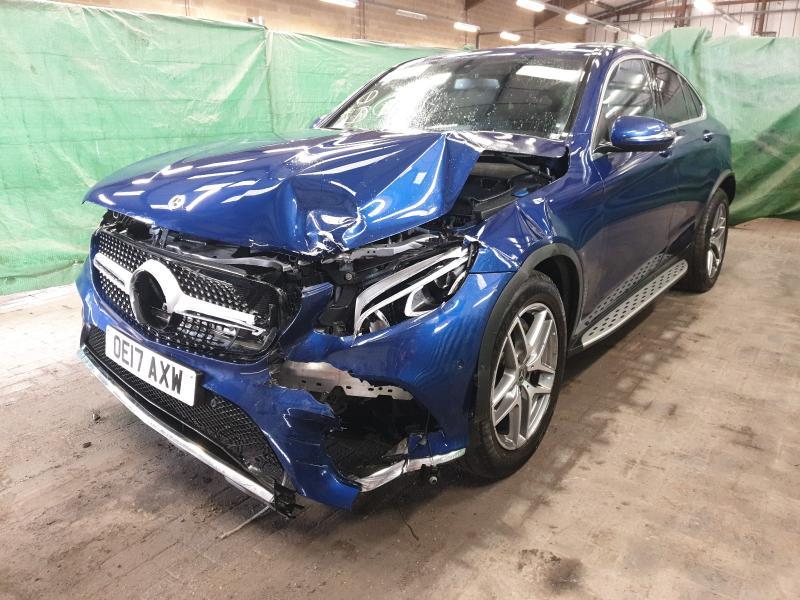
A written-off vehicle is a car that an insurance company has decided is uneconomical to repair. This does not always mean the car is badly damaged or beyond repair.
In many cases, insurers write vehicles off simply because:
- Repair costs are too high compared to the car’s value
- Labour costs are expensive
- Parts are difficult to source
- Storage and administration costs add up
- The insurer prefers to settle quickly
Modern cars are packed with expensive technology, sensors, airbags, cameras, and electronic systems. Even relatively small accidents can lead to very large repair bills.
Once a vehicle is declared a total loss, it is placed into a specific insurance category. These categories help buyers understand the level of damage the vehicle has suffered.
The Different Insurance Write-Off Categories
In the UK, there are four main insurance write-off categories:
- Cat A
- Cat B
- Cat S
- Cat N
The current system replaced the old Cat C and Cat D system in 2017.
Category A (Cat A)
“Scrap Onlyâ€
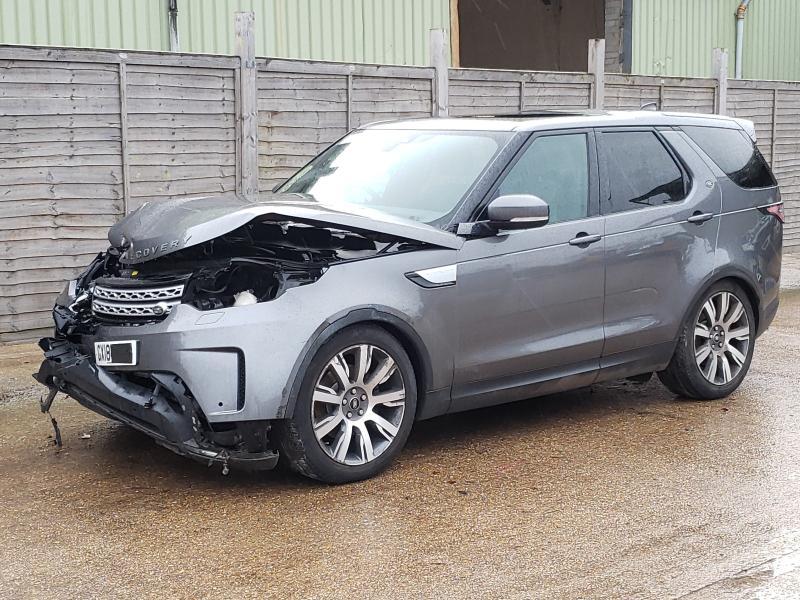
Category A vehicles are the most severely damaged vehicles.
These cars must be completely crushed and scrapped. No parts should be reused, and the vehicle can never return to the road legally.
Examples include:
- Completely burnt vehicles
- Vehicles destroyed in severe crashes
- Cars submerged in flood water for long periods
- Vehicles with catastrophic structural damage
For dealers, Cat A vehicles are not suitable for resale. They are only scrap.
Category B (Cat B)
“Break for Partsâ€
Cat B vehicles are also considered too dangerous to return to the road.
However, unlike Cat A, some parts may still be salvaged and reused. The shell itself must be crushed.
This means:
- Engines may be reused
- Doors and interior parts may be reused
- Wheels and electronics may be reused
- The actual chassis/body shell cannot legally return to the road
Most Cat B vehicles are purchased by dismantlers and breakers rather than normal used car dealers.
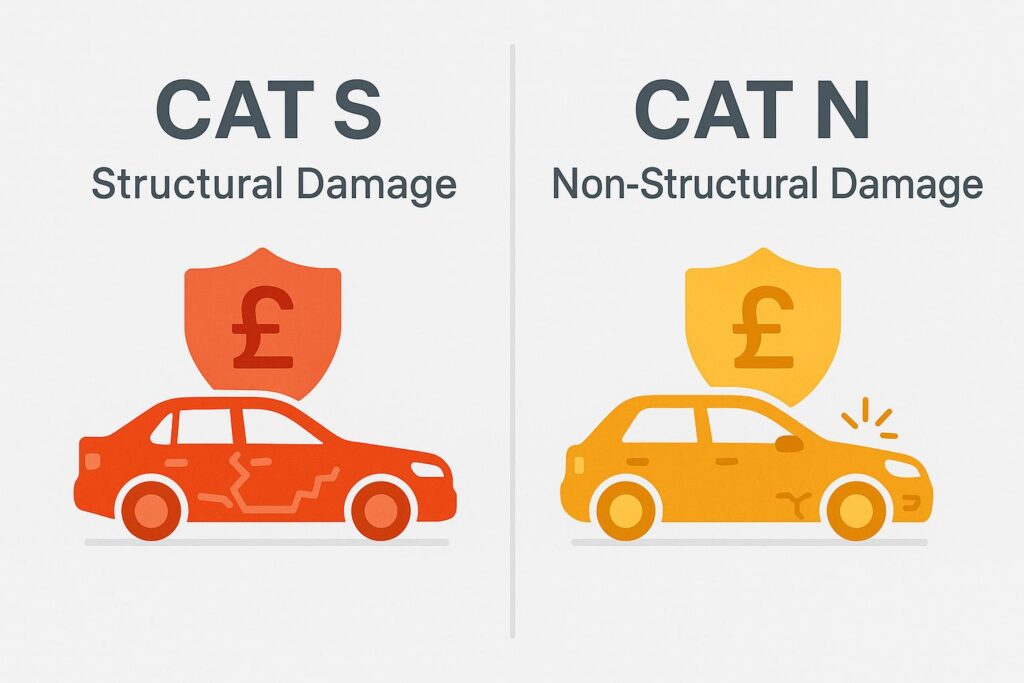
Category S (Cat S)
“Structurally Damaged but Repairableâ€
Cat S is one of the most common categories in today’s used car market.
The “S†stands for structural damage. This means the vehicle has suffered damage to structural areas such as:
- Chassis
- Crumple zones
- Suspension mounting points
- Structural panels
- Frame sections
However, the vehicle can legally be repaired and returned to the road.
Examples of Cat S damage:
- Front-end collision
- Rear structural damage
- Side impact damage
- Bent suspension areas
- Damage near pillars or chassis rails
Many Cat S cars are repaired professionally and go on to drive perfectly well for years.
The problem is that repair quality varies massively.
A properly repaired Cat S vehicle can be excellent value. A poorly repaired one can become unsafe and difficult to sell.
Category N (Cat N)
“Non-Structural Damageâ€
Cat N is generally seen as the safest and least serious category.
The “N†means non-structural damage. The vehicle has not suffered structural damage to the chassis or frame.
Damage may include:
- Bumper damage
- Cosmetic bodywork
- Electrical faults
- Interior damage
- Suspension components
- Airbags
- Minor accident damage
Sometimes a car becomes Cat N simply because:
- Airbags deployed
- Electrical systems are expensive
- Repair costs exceeded vehicle value
This means some Cat N cars may only require relatively simple repairs.
For many dealers, Cat N vehicles are considered the safest entry point into the salvage market.
Why Are Cat S and Cat N Cars So Popular?
There are several reasons why dealers are attracted to category vehicles.
Lower Purchase Prices
The biggest advantage is simple:
They are cheaper to buy.
A Cat N or Cat S car may sell for:
- 20% to 50% below market value
- Sometimes even more
This creates room for profit after repairs.
Strong Customer Demand
Many buyers today actively search for Cat S and Cat N cars because:
- They want a cheaper vehicle
- Car prices have increased
- Finance costs are higher
- New cars are expensive
Some customers are happy to accept a category marker if:
- The repair work is good
- The car drives well
- The history is transparent
- The price is right
Modern Vehicles Are Often Written Off Easily
Insurance companies now write off vehicles much faster than before.
A modern BMW, Mercedes, Audi, Tesla, or Range Rover may be written off for:
- Sensor damage
- Airbag deployment
- Headlight replacement
- ADAS calibration
- Expensive labour costs
Sometimes the actual visible damage is relatively small.
This creates opportunities for knowledgeable dealers.
Is There Good Profit in Cat S and Cat N Cars?
Yes — there can be excellent profit margins.
However, profit depends on:
- Buying correctly
- Repairing correctly
- Knowing your costs
- Selling honestly
Typical Profit Potential
A dealer might buy:
- A Cat N vehicle for £4,000
- Spend £1,000 repairing it
- Sell it for £7,000
That could create:
- £2,000 gross profit before overheads
Cat S vehicles can sometimes create even larger margins because buyers are more cautious and auction prices may be lower.
Why Some Dealers Make Very Good Money
Experienced salvage dealers understand:
- Which damage is easy to repair
- Which cars are desirable
- Which parts are cheap to source
- Which vehicles buyers trust most
For example:
- Small petrol hatchbacks
- Popular German cars
- Japanese reliability brands
- Vans and commercial vehicles
These often sell very well even with category history.
The Risks of Selling Category Cars
Despite the opportunities, there are also major risks.
Poor Repairs Can Destroy Reputation
One badly repaired vehicle can damage a dealership’s reputation quickly.
Problems may include:
- Uneven panel gaps
- Poor paintwork
- Hidden faults
- Warning lights
- Alignment issues
- Water leaks
- Airbag faults
Customers today are more informed than ever.
Many buyers:
- Check vehicle history online
- Use HPI checks
- Bring mechanics
- Use paint depth gauges
If repairs are poor, word spreads quickly.
Insurance Can Be More Expensive
Some insurers charge higher premiums for Cat S and Cat N cars.
Some finance companies also refuse finance on category vehicles.
This can reduce the number of potential buyers.
Resale Values Are Lower
Even after perfect repairs, category vehicles are usually worth less than clean-title cars.
Generally:
- Cat N cars may be worth 10–25% less
- Cat S cars may be worth 20–40% less
This affects future resale values.
Dealers must price them correctly.
Customer Confidence Matters
The biggest challenge is trust.
Some buyers become nervous immediately when they hear:
- “It’s a Cat Sâ€
- “It’s a write-offâ€
Others are completely comfortable with it.
The key is transparency.
Good dealers:
- Show repair photos
- Explain the damage honestly
- Provide invoices
- Allow inspections
- Build confidence
Trying to hide category history is one of the worst mistakes a dealer can make.
Are Customers Happy to Buy Cat S and Cat N Cars?
Yes — many are.
In fact, the category market is now much more accepted than it was years ago.
Buyers understand that:
- Insurance companies write cars off more easily today
- Modern repair methods are better
- Many repairs are cosmetic
- Good savings are possible
However, buyers still prefer:
- Cat N over Cat S
- Professional repairs
- Honest dealers
- Proof of repair work
Which Category Is Better for Dealers?
Cat N – Safer and Easier
Cat N vehicles are generally:
- Easier to sell
- Lower risk
- More trusted by buyers
- Easier to insure
For newer dealers, Cat N is usually the safest starting point.
Cat S – Higher Risk but Higher Reward
Cat S can produce larger profits.
However:
- Repairs are more complicated
- Structural work requires expertise
- Buyers ask more questions
- Inspection standards should be higher
Experienced salvage dealers often focus heavily on Cat S because margins can be stronger.
What Should Dealers Check Before Buying?
Before purchasing a category vehicle, dealers should inspect:
Structural Alignment
Check:
- Chassis rails
- Suspension points
- Pillars
- Floor pan
Airbags and Safety Systems
Modern cars are expensive to repair because of:
- Airbags
- Seatbelt pretensioners
- Radar systems
- Cameras
- Sensors
Water Damage
Flood-damaged vehicles can become nightmares later.
Electrical issues may continue for years.
Parts Availability
Some vehicles become unprofitable because:
- Parts are too expensive
- Parts are unavailable
- Repair times become too long
Best Vehicles for Salvage Dealers
Generally, the best-performing category vehicles are:
- Popular hatchbacks
- Reliable Japanese vehicles
- German premium cars
- Vans
- SUVs in demand
Vehicles that sell quickly often create better profit than chasing massive margins on difficult stock.
Should Dealers Advertise the Category Clearly?
Absolutely.
Trying to hide category history is dangerous and unethical.
Good adverts should clearly state:
- Cat S or Cat N
- Type of damage repaired
- Professional repairs completed
- Drives perfectly
- Inspections welcome
Many buyers actually appreciate honesty and become more comfortable purchasing.
Final Thoughts – Is It Worth Buying and Selling Cat S and Cat N Cars?
For many used car dealers, the answer is yes.
Cat S and Cat N vehicles can create:
- Strong profit margins
- Faster stock turnover
- Access to newer vehicles at lower prices
- Good opportunities in a competitive market
However, success depends on:
- Buying wisely
- Repairing properly
- Being transparent
- Understanding vehicle damage
- Building customer trust
Cat N vehicles are generally safer and easier for most dealers. Cat S vehicles can offer bigger rewards but also come with bigger risks.
The salvage market is no longer a hidden niche. Thousands of buyers across the UK actively search for repaired category vehicles because they want better value for money.
Dealers who focus on quality repairs, honest advertising, and customer confidence can build a very successful business around Cat S and Cat N vehicles.
Looking to grow your dealership online?
Visit CD Web – Car Dealer Websites for affordable dealer websites, vehicle management systems, SEO optimisation, and professional automotive web design built specifically for UK car dealers.
Useful keywords included in this article:
- Cat S cars for sale
- Cat N vehicles explained
- Insurance write-off categories UK
- Buying repaired cars
- Salvage auction vehicles
- Cat S vs Cat N
- Written-off cars UK
- Is Cat N worth buying
- Is Cat S worth buying
- Salvage cars for dealers