
The Truth Behind Car Dealer Profit Margins in the UK
If you’ve ever walked around a used-car forecourt or browsed a dealer’s website, it’s easy to assume every car sold brings in a big chunk of profit. But for small and independent car dealers across the UK, margins are tighter than ever.
With auctions getting expensive, buyers bargaining harder, and finance rules changing, many dealers say they’re working harder for less return. In countless Facebook discussions, one thing keeps coming up — “the trade isn’t what it used to be.â€
This blog takes a real look at what’s happening inside the small-dealer world. Based on real conversations from traders, it explores how much profit dealers really make on each car, how the market has changed, and what lessons can be learned.
What Does “Wood for Wood†Really Mean in the Motor Trade?
In trade slang, “wood for wood†means moving cars for the sake of turnover rather than big profit — buying and selling just to keep the cash flowing.
Dealers use the phrase when the market’s slow and profit margins are almost non-existent. You’re selling at near cost, maybe making a couple of hundred pounds just to free up capital and survive another week.
One dealer said it perfectly: “It’s a case of you take what you can. The country will pick up, but my God it’s hard.â€
That sums up the atmosphere in the trade — a mix of frustration and resilience.
Why Percentages Don’t Always Tell the Truth
Dealer Dom Pashley explained it well:
“I don’t really think a percentage works. You can fall lucky on a PX you’ve given £1k for, sell for 3 after £350 prep — very nice margin after everything. Or sell a £15k car for £16,500 with no prep. Both fairly decent scenarios but as a percentage the £15k car looks a lot worse.â€
It’s a fair point. Looking at margins as a percentage often paints the wrong picture.
If you sell a £15,000 car and make £1,500, that’s only a 10% margin — but it could have been a clean, quick sale with almost no prep work. On the other hand, a £1,000 car sold for £3,000 looks great as a percentage but might have taken weeks of effort, new tyres, MOT, and endless haggling.
That’s why many dealers today ignore percentages and focus instead on fixed profit goals — a set amount they want to clear per car.
Setting a Minimum Profit Target
Dealer Patrick Horton gave some sound advice:
“Don’t base it off a percentage. Have a minimum figure in mind you want to put across a car and stick with it. We won’t entertain anything less than £2k. Ideally £3k plus. If the car you’re buying doesn’t have the money in it, leave it and move on.â€
This is one of the most practical tips for small dealers. The key is not to chase every car but to buy smart. If there’s no profit in it, walk away.
It’s easy to get emotionally attached to a car you think will sell well, but if the margin isn’t there, it’s better to wait. Discipline makes profit, not volume.
The National Average Profit Margin
Another dealer, Jon Van de Merwe, commented that the national average profit margin for car dealers is around 4%.
Four percent! On a £10,000 car, that’s only £400 profit — before tax, advertising, fuel, valeting, and possible warranty claims.
Once you deduct all the costs, a dealer might only clear £200–£300 net per sale. It’s not surprising that many small forecourts have closed or shifted focus to niche markets and repeat customers.
How Car Value Affects Profit Margin
Dealer Haris Pathan said:
“Depends on the value of cars you’re dealing with really. Different value cars typically have different profit margins.â€
That’s absolutely true. The higher the retail price, the lower the percentage profit tends to be, though the absolute figure might be higher.
Here’s a rough breakdown seen across the trade:
| Retail Car Value | Typical Profit Range | Market Notes |
|---|---|---|
| Under £2,000 | £300–£600 | Older stock, high risk, high prep. |
| £3,000–£6,000 | £600–£1,200 | Bread-and-butter range for small dealers. |
| £7,000–£10,000 | £800–£1,500 | Decent margins if stock moves quickly. |
| £10,000–£15,000 | £1,000–£2,000 | Slower turnover but cleaner cars. |
| £15,000+ | 3–6% | Prestige market, more capital tied up. |
Dealer Leon Venn added:
“Up to £10k retail — average sale price £6815, average profit of £1098 including some expensive warranty jobs.â€
That’s roughly what many independents are reporting — about a thousand pounds per car, before any surprises.
The Impact of Auctions and Oversupply
Paul Cartwright, another experienced trader, shared a painful but familiar example:
“I have a 69 Disco Sport P200 Narvik Black mint, retails at £15,750. CAP average £13,800. I put it in two auctions, now it’s at Aston Barclay with an £11,750 reserve. Nobody bid on it. Just trying to get some money in — that’s how tight it is.â€
This highlights a growing problem: too many sellers, not enough confident buyers. Auctions once offered reliable trade-in values, but today, many dealers lose money trying to liquidate stock.
The days of “cheap trade cars†are mostly gone. Between auction fees, transport, and competition, it’s easy to end up upside down on a deal.
Understanding the Risks of Low-Margin Trading
Profit in the motor trade isn’t guaranteed — it’s a gamble. One bad gearbox or faulty turbo can wipe out the profit from several cars.
Dealer Alan Phelan put it bluntly:
“Madness out there. My mate sells £1,000 upwards cars — nice motors, but people not buying or offer £600. Lot of dealers shutting shop.â€
This is where preparation costs can destroy margins. Tyres, MOT, valeting, and servicing can easily add £400–£800 to each car. And if a car sits unsold for weeks, it ties up cash that could have been reinvested elsewhere.
Some traders prefer to sell quickly with smaller margins rather than hold out for higher profits that might never come. As the saying goes, turnover is vanity, profit is sanity, cash flow is reality.
The Psychology of Selling: Why Dealers Still Do It
Despite the stress, most small dealers stay in the game because they genuinely love cars and enjoy the buzz of a sale. It’s not just about numbers — it’s about independence, passion, and satisfaction when a happy customer drives away.
But passion doesn’t pay bills. When profits are tight and the hours are long, motivation can fade. Many traders are diversifying — offering finance, delivery, extended warranties, or sourcing cars to order — to create extra income streams.
Others are realising the importance of owning their online presence rather than relying entirely on classified platforms that eat into profit.
Why Having Your Own Dealer Website Increases Profit
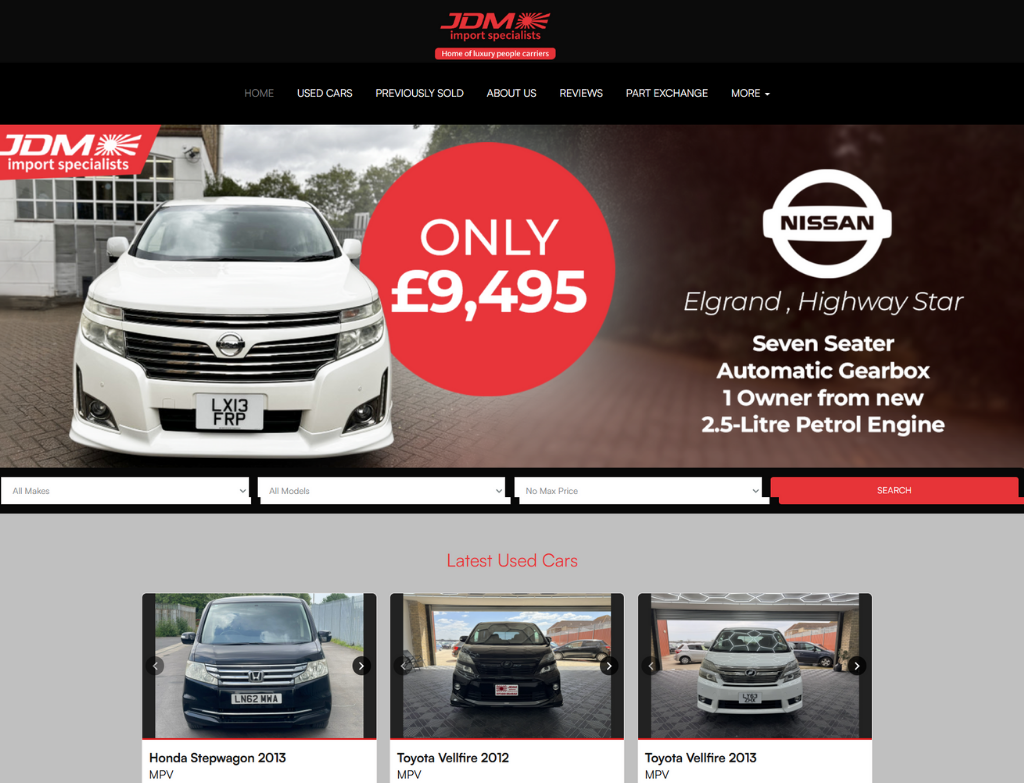
With margins so tight, every pound saved counts. Dealers are now reducing advertising costs by building their own websites through services like Car Dealers Websites.
Owning a website means you can:
- Display your stock professionally with unlimited photos
- Receive direct enquiries by WhatsApp, email, or phone
- Build Google SEO for your area (e.g. “Used Cars in Sloughâ€)
- Keep control of your leads instead of paying middlemen
- Save hundreds of pounds each month compared to Auto Trader or Motors
A well-optimised site not only saves money but also helps build your own brand — essential for repeat business. When customers remember your name and website, you’re no longer dependent on third-party platforms to survive.
For a trade already running on small margins, that’s a major win.
Lessons From Real Dealers in the UK
After reviewing dozens of real-life comments, here are the key takeaways for anyone running or starting a small dealership:
1. Forget percentages — work on real profit.
Percentages look good on paper but don’t pay bills. Set a minimum profit target per car (£800–£1,000 or more) and stick to it.
2. Buy smarter.
The profit is made when you buy, not when you sell. Don’t chase cars without room for margin.
3. Track every prep cost.
Every tyre, MOT, and valet eats into profit. Keep accurate records so you know the true margin on each sale.
4. Sell quicker, not necessarily higher.
Holding cars for months hoping for a few hundred pounds more can kill cash flow. Turnover matters.
5. Manage risk with warranties.
Offer them, but understand the real cost. One claim can erase your gain.
6. Build relationships.
Repeat customers, local reputation, and word of mouth are your best marketing.
7. Control your online costs.
Build your own website and use free social media. Avoid paying hundreds monthly to advertise cars you already own.
8. Keep an eye on market data.
Check CAP, Auto Trader, and auction reports regularly. Don’t overpay for stock.
Reflecting as a Small Dealer
Speaking as someone who’s been around the trade for years, it’s easy to see both sides. Selling cars can be rewarding, but it’s also unpredictable. You can sell three cars one week and nothing for the next month.
The problem isn’t just the economy — it’s the structure of the business. Costs have risen faster than profits. And as more buyers shop online, small dealers without strong digital presence are left behind.
That’s why many smart traders are now investing in affordable, professional websites rather than relying only on classified giants. They understand that a good online presence isn’t a luxury anymore — it’s survival.
With services like Car Dealers Websites, it’s possible to have a high-quality dealer site without spending hundreds a month. The focus should be on keeping costs down and visibility up.
Why the Market Still Has Hope
Even though many traders complain the market’s tough, people will always need cars. Finance may tighten, fuel prices may rise, but mobility is still essential.
What’s changing is how people buy. They’re doing more research online, trusting local dealers they can find on Google, and preferring straightforward experiences.
That’s where smaller independents can win — by being honest, personal, and local. Offer fair prices, clear communication, and visible online reputation, and you can outperform bigger competitors despite lower budgets.
In short: be visible, be honest, and be smart.
Final Thoughts — The Realities of Small Dealer Profits
The small-dealer world in 2025 isn’t easy, but it’s not doomed either. Margins might be small, but opportunities still exist for those who adapt.
A dealer might not make thousands per car anymore, but by controlling costs, improving online visibility, and focusing on good stock, it’s still possible to make an honest living.
As one experienced trader once said, “It’s not about how much you make on each car — it’s about how many you can sell without losing your shirt.â€
And that’s the reality of today’s trade. It’s wood for wood for some, but for those who stay sharp, build their brand, and embrace digital tools, there’s still money to be made.
If you’re a dealer looking to modernise your business, create a strong online presence, and attract more customers directly, visit www.cardealerswebsites.co.uk — a simple, affordable solution designed specifically for UK car dealers.